16 January 2026

Help build the world’s most advanced retinal imaging database

UK optometrists are invited to take part in a pioneering Foresight research project to build a retinal imaging database.
The College’s research partner Foresight is looking for optometrists from across the UK to join them in a pioneering project to build a databank of one million eye scans.  

The databank will support oculomics research, the emerging field of the eye’s potential as a window into systemic health, as well as developing novel digital tools and techniques to enhance and expand the range of eye health services that can be offered by optometry practices in the future.

This database will enable researchers to develop:  

  • New clinical pathways to streamline referral triage and quality benchmarking
  • Analysis of disease progression in real-world settings
  • AI tools to assist in early detection, staging, and classification of multiple diseases.

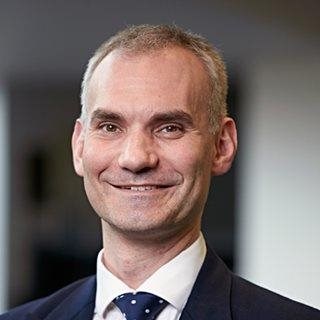
“By developing the world’s most advanced database of retinal imaging, particularly with datasets from early-stage and healthy participants, the initiative aims to advance the shift from reactive eye disease treatment to proactive eye health protection and preservation. It will also support work to advance optometry’s capacity to provide more personalised risk assessment, management and treatment. We’re calling on members to join this important research initiative and help contribute to the future of optometry.”

Michael Bowen, Director of Research and Knowledge Management at The College of Optometrists

Foresight is inviting optometry practices to join the programme as partners to help build the databank of retinal imaging by 30 January 2026 and offers a compensation structure for participating optometry practices.  

For more information on the project and how to get involved, please contact the College’s Research Team at researchteam@college-optometrists.org.

Related further reading

As we leave summer behind and head towards winter, growing demands on the NHS will no doubt fill news headlines.

Life at the cutting edge of research, the level of evidence needed to change care pathways, and how to balance curiosity and funding priorities to create opportunities.